Custom stamped brass parts
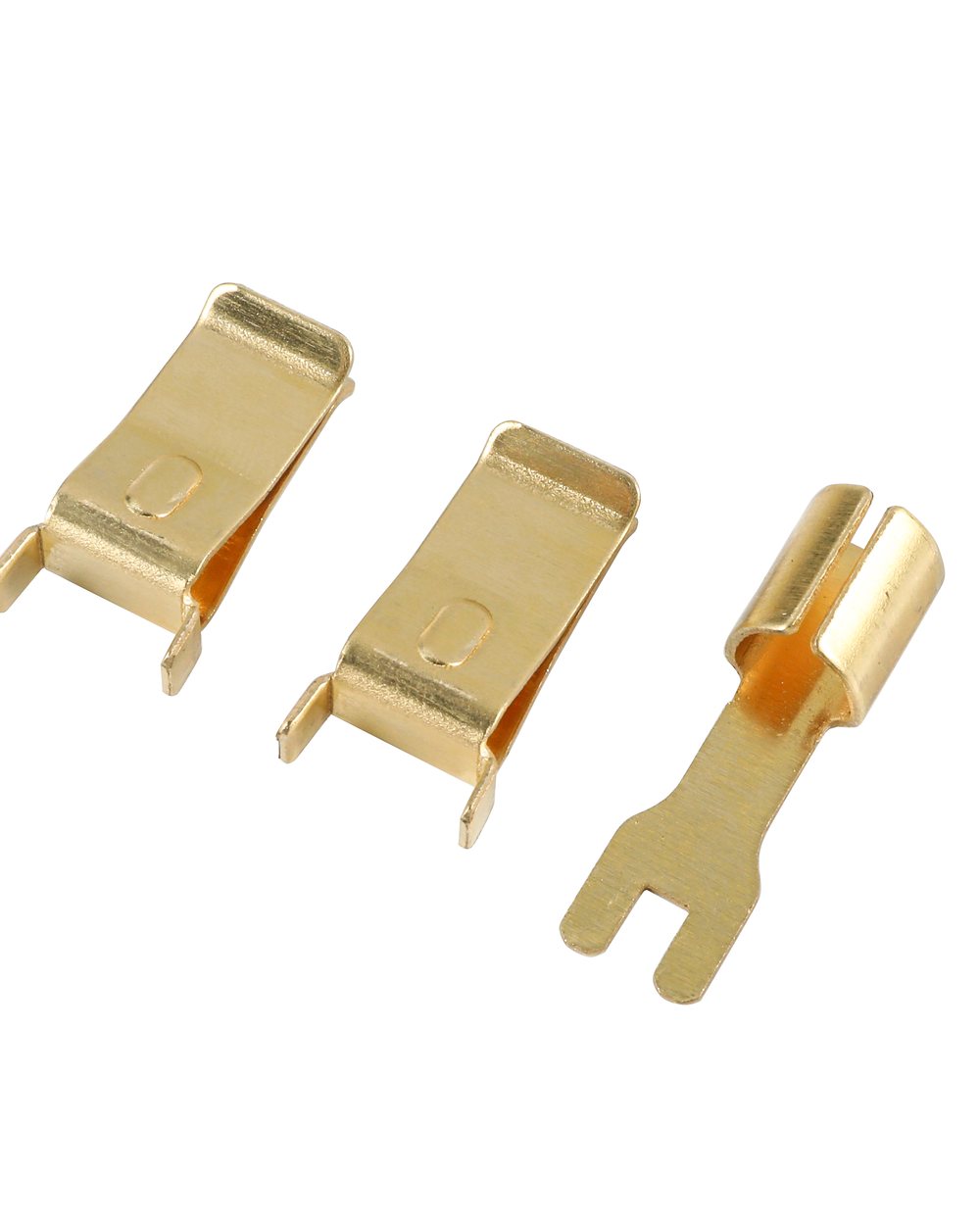
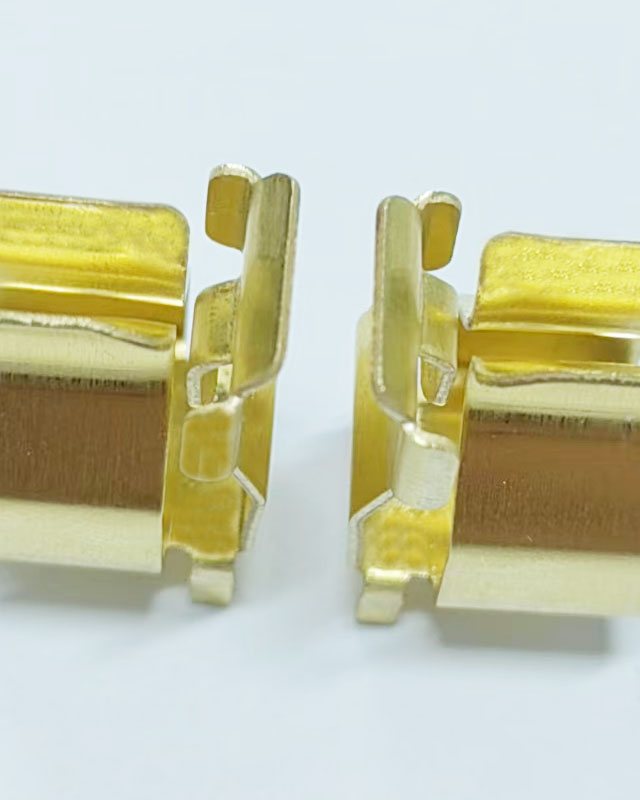
If it is a stamped brass part inside a socket, a switch panel, a small appliance or an electrical accessory, it is worth sending us the drawing. You will get a price and an honest answer — including “this is not a good fit for our presses” if that is the truth.
What you get
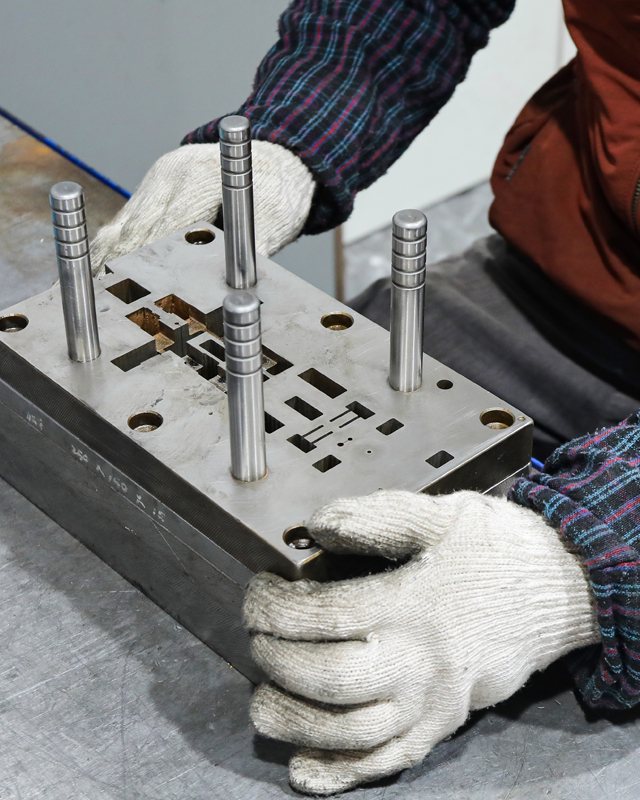
A die made for the part, not a part forced into a die
Most of what we make is a customer’s own geometry. That means the tooling is developed for your part, and the first question we answer is not “what is your quantity” but “what does this part have to do”.
- 2D or 3D drawing, or a sample photo with a few key dimensions
- Material recommendation based on how the part actually behaves, not on what is cheapest
- Progressive die designed and cut for the part
- First-article sample in about 10 days, with its material report
- Secondary operations — forming, bending, tapping, riveting, plating coordination
- Tooling arrangement agreed in writing before the die is cut
- Dimensional records with each production batch, not just the first one
How it runs
Four steps from drawing to container
Send the drawing — or a photo
2D or 3D file, or a sample photo with a few key dimensions. Your drawing stays with us and is not shared or reused. If the part is under NDA, tell us and we will sign before we quote.
Quote and manufacturability note — 24 hours
Material recommendation, thickness, tolerance on the critical dimensions, tooling cost, MOQ, lead time and a unit price band. Where it helps, we suggest a change that lowers your cost.
Tooling and first article — about 10 days
The die is made, first pieces are pressed, dimensions are measured and a sample is sent to you with its material report. You fit it and tell us what to adjust.
Production, inspection, shipment
Once the sample is approved we run the order, inspect it against the agreed drawing, pack it for sea freight and ship from Shenzhen or Guangzhou, with photographs of the packed goods before dispatch.
Straight answers
Things we will not pretend
A custom part is a long relationship, and it goes better if the awkward questions are answered before the die is cut rather than after.
We are not a fit for everything
If a part is too deep to form, too thick for our presses, or genuinely needs turning or casting instead of stamping, we will say so at quotation stage. It costs us an order; taking it and struggling would cost both of us more.
We do not quote tolerances we cannot measure
Every dimension we promise is one we can check with the instruments on hand and report on paper. If your drawing asks for something we cannot verify, we will tell you which feature it is and what we can hold instead.
We do not lock a brass price for a year
Brass follows the copper market, so a quotation is confirmed again at each purchase order instead of being fixed for twelve months. We will always show you the basis rather than move a price quietly.
We do not promise certification we do not hold
We supply component-level documentation — material test report, RoHS report and dimensional records. Finished-product certification sits at the appliance level and is arranged by the assembler; we support that file with our documents.
To quote
What we need from you
- Drawing — 2D (PDF / DXF) or 3D (STEP), or a sample photo with a ruler in frame
- Function — what the part does, so we can recommend the right material
- Critical dimensions — which features matter, and to what tolerance
- Quantity — trial quantity and expected annual volume
- Surface — bare, tin-plated, nickel-plated, or your current finish
- Destination — country and port, so we can quote the right Incoterm
Good to know
Common questions
What if I only have a sample, not a drawing?
Send a clear photo with a ruler in frame, and the key dimensions you can measure. For most socket parts that is enough to give you a price and a manufacturability note. If the part goes ahead we will draw it up properly and send it back for your confirmation before cutting the die.
Who owns the tooling?
Whatever we agree in writing before the die is cut — and we put it in writing because this is exactly the sort of thing that should not be settled from memory. Tell us what arrangement you need and we will confirm it in the quotation.
Can I start small?
Yes, and you probably should. The point of a trial quantity is to find out whether the part works in your line before you commit to a production order. Tell us the quantity you have in mind and we will confirm what is realistic for the part and the tooling.
Also in the range
The other families of brass parts
Most customers start with one family and add the rest once they see the quality.
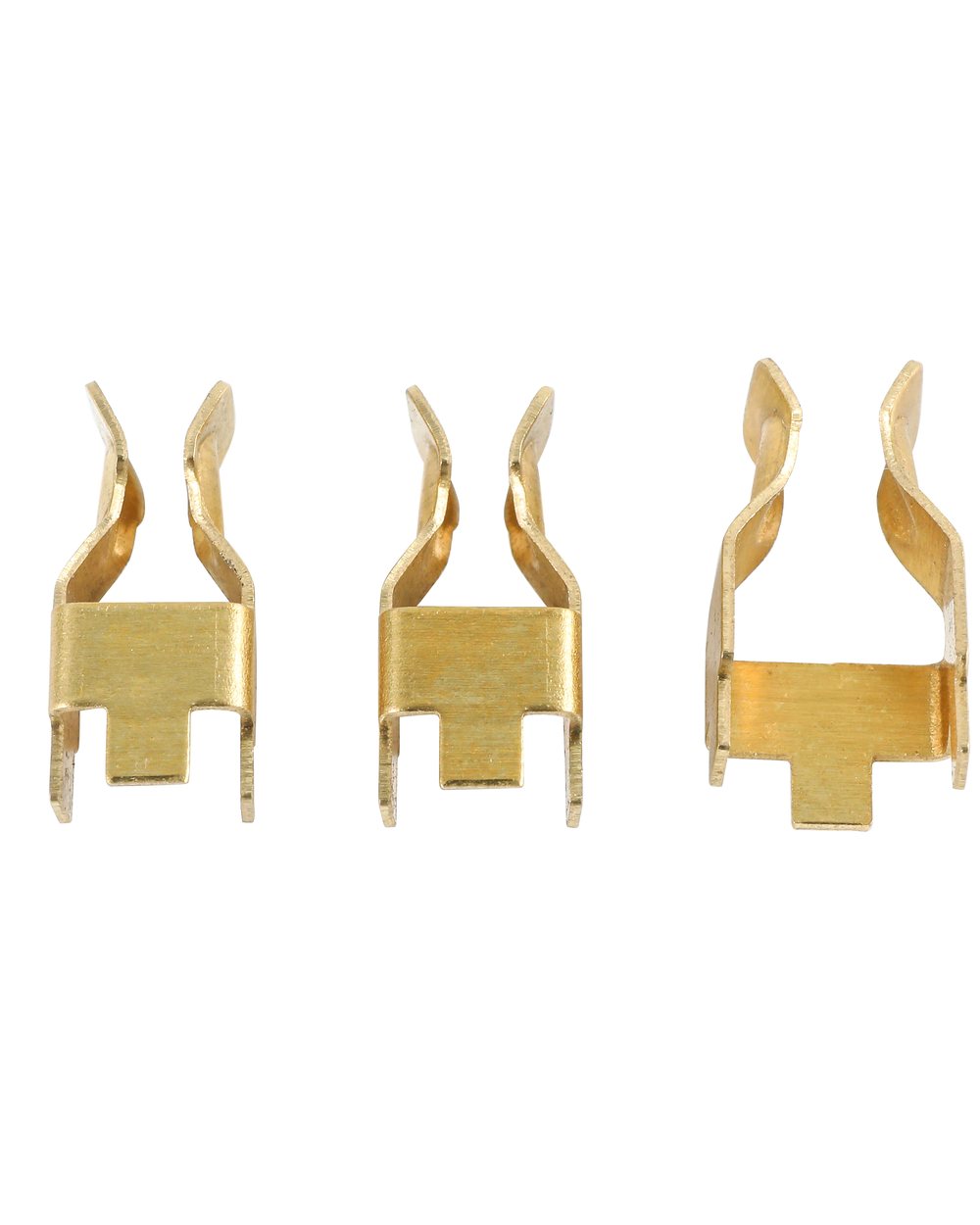
Brass terminals
Screw, wire-clamp, spade and ring terminals, terminal blocks and fuse clips.
See this range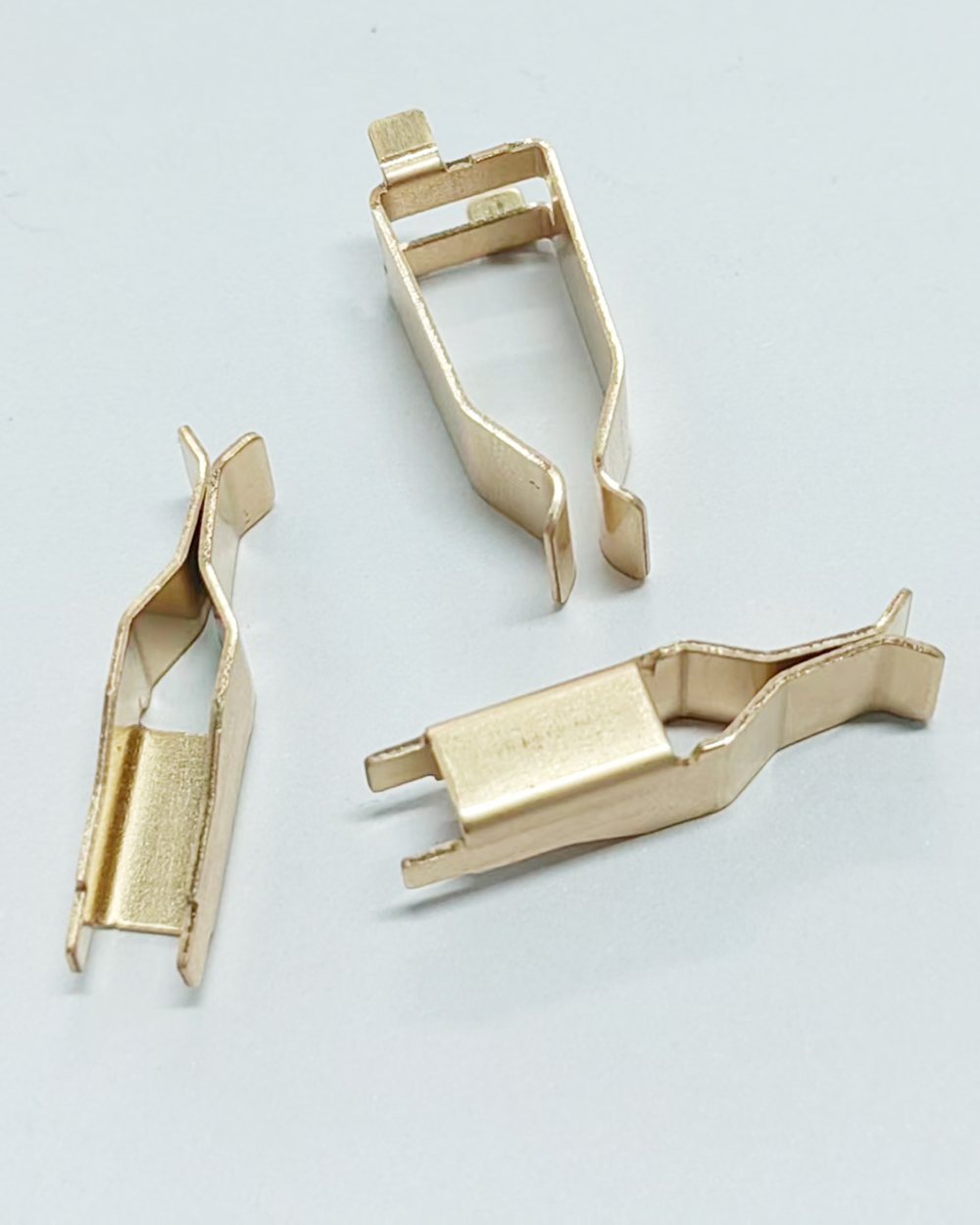
Socket inserts & contacts
The clips that grip the plug pins, in phosphor bronze where the spring has to last.
See this range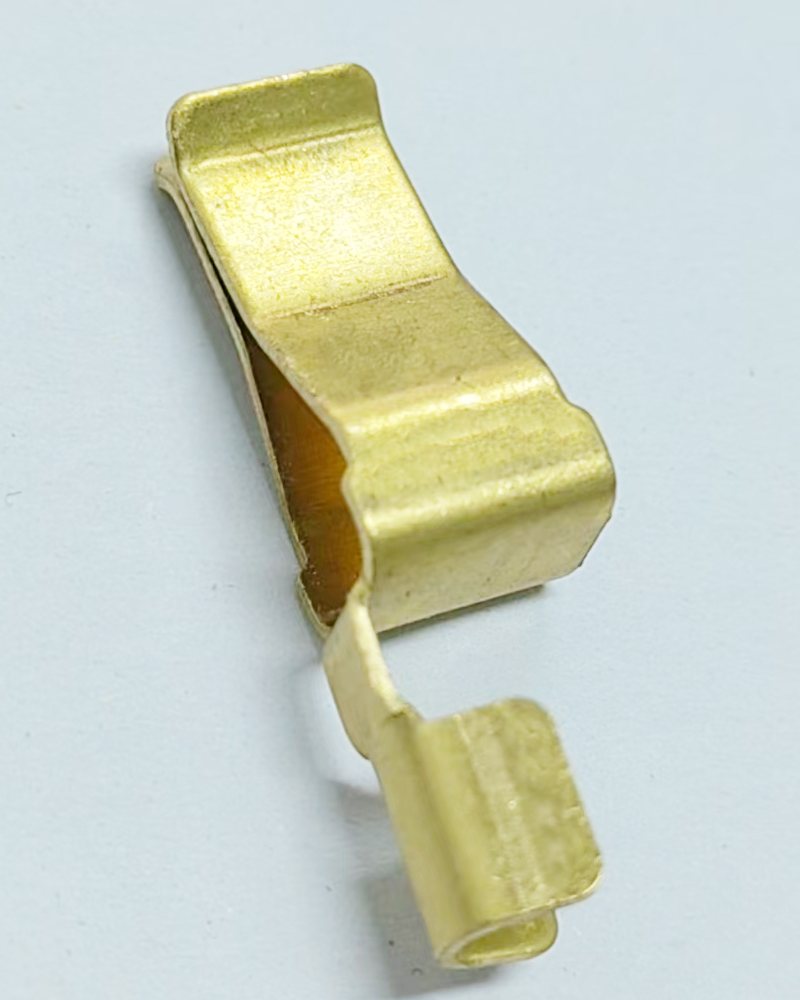
Grounding parts
Earth clips, side-earthing clips, grounding brackets and bonding straps.
See this range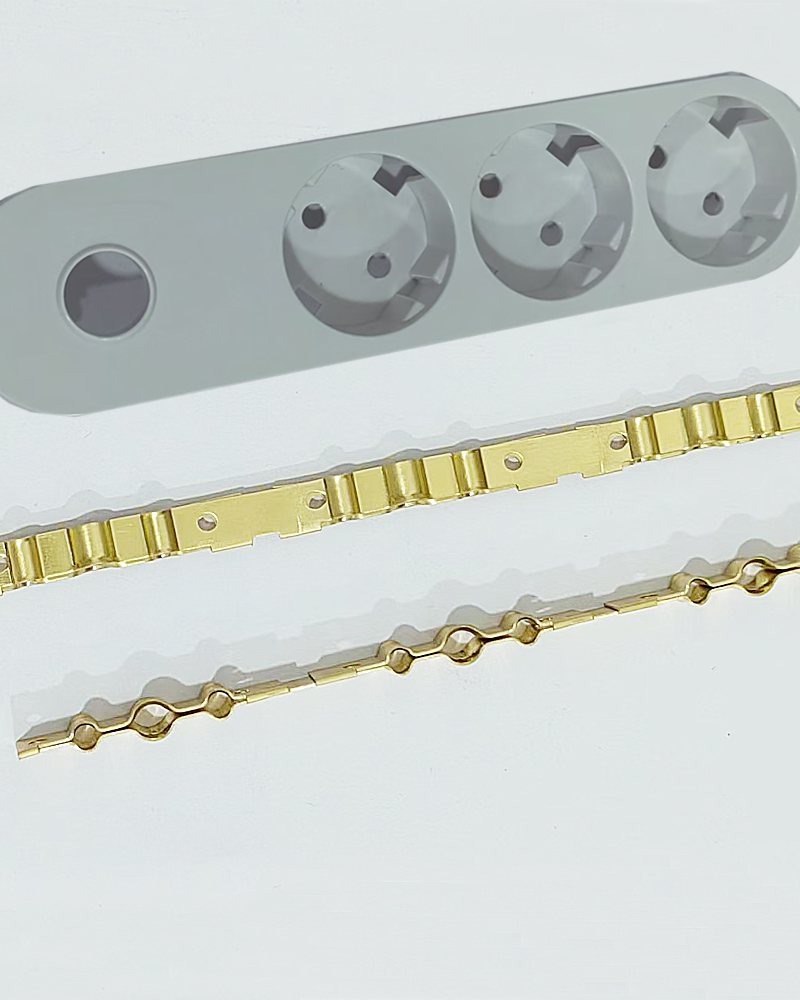
Connection plates & busbars
Bridging plates, jumper strips and multi-way busbars for power strips.
See this range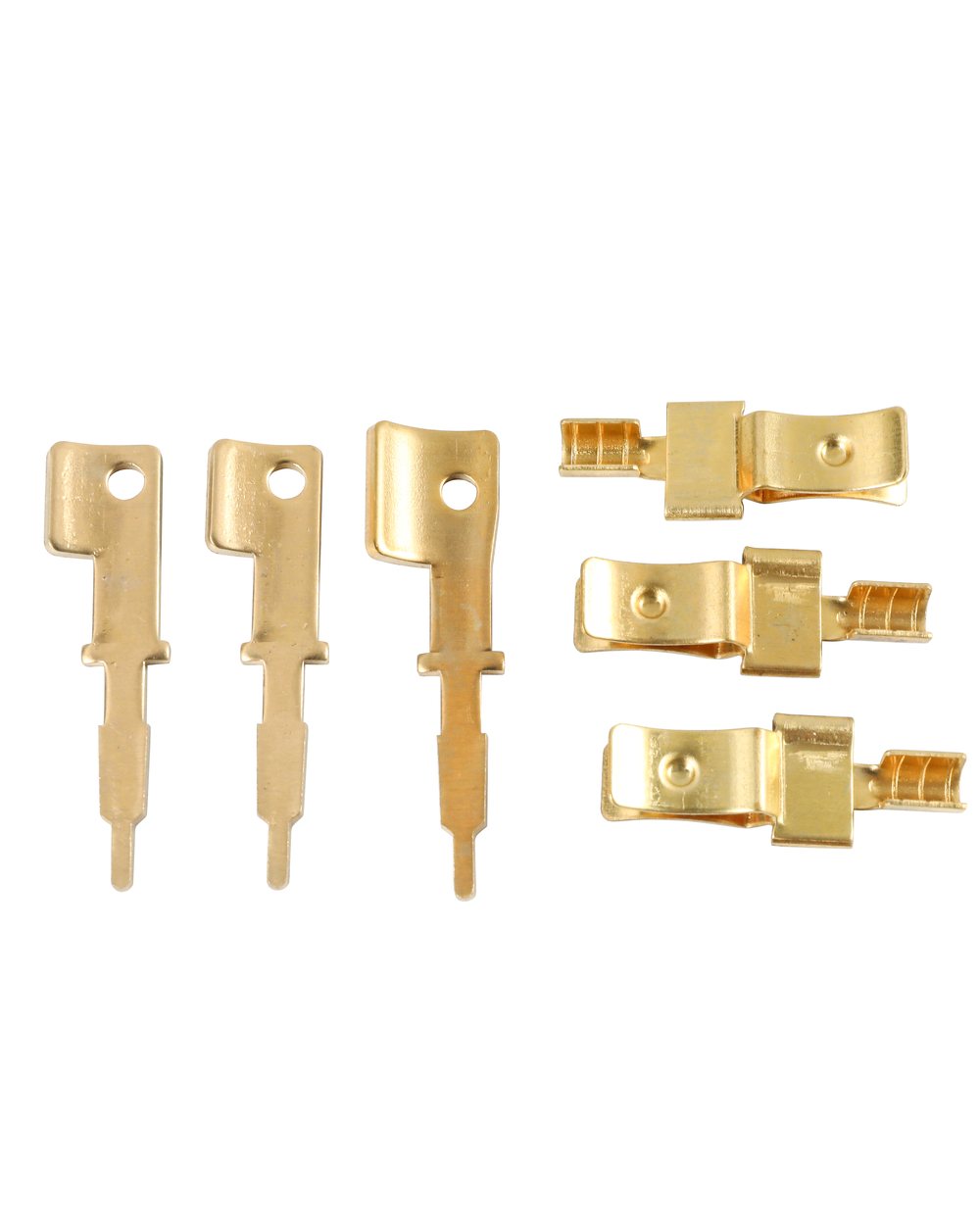
Pins, blades & bushes
Plug pins and blades, hollow rivets, eyelets and threaded bushes.
See this range